


Order your test kit.
Order the PFAS drinking water test for the water you would like to have analysed.

Order the PFAS drinking water test for the water you would like to have analysed.

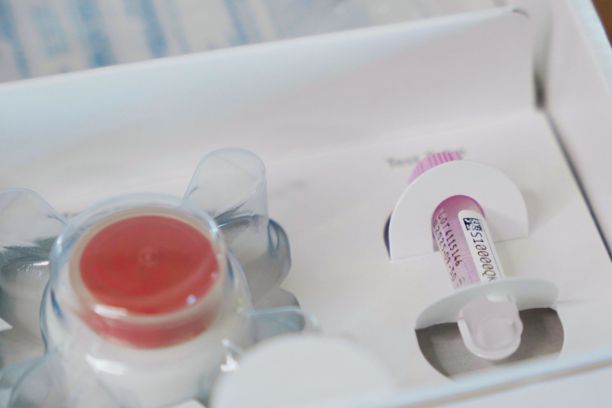
You receive a PFAS-free sample bottle, packaging and instructions for collecting and returning your water sample.

Follow the enclosed instructions carefully. Fill the bottle completely to the top, hold it around the middle and avoid touching the inside of the bottle or cap.

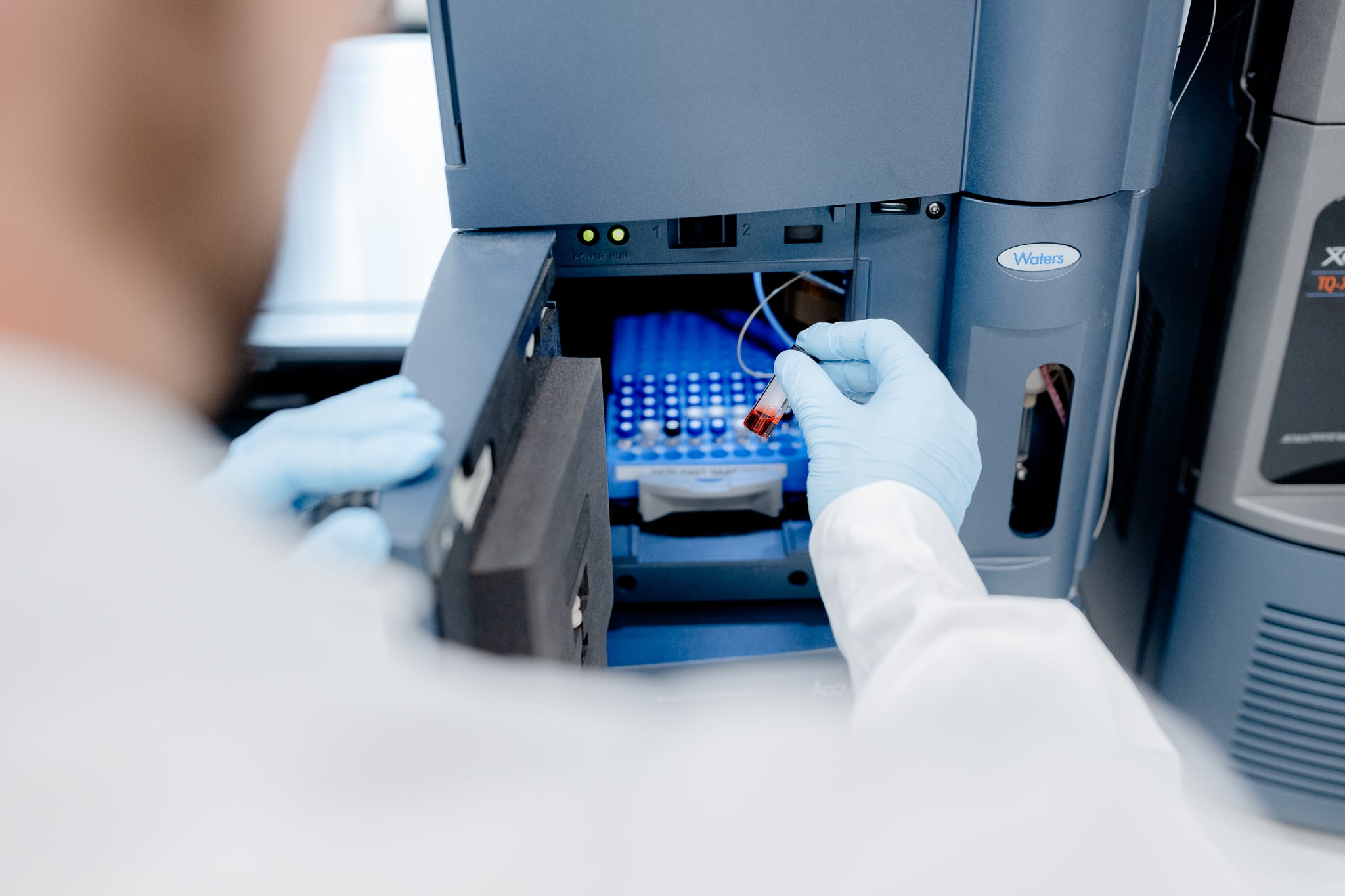
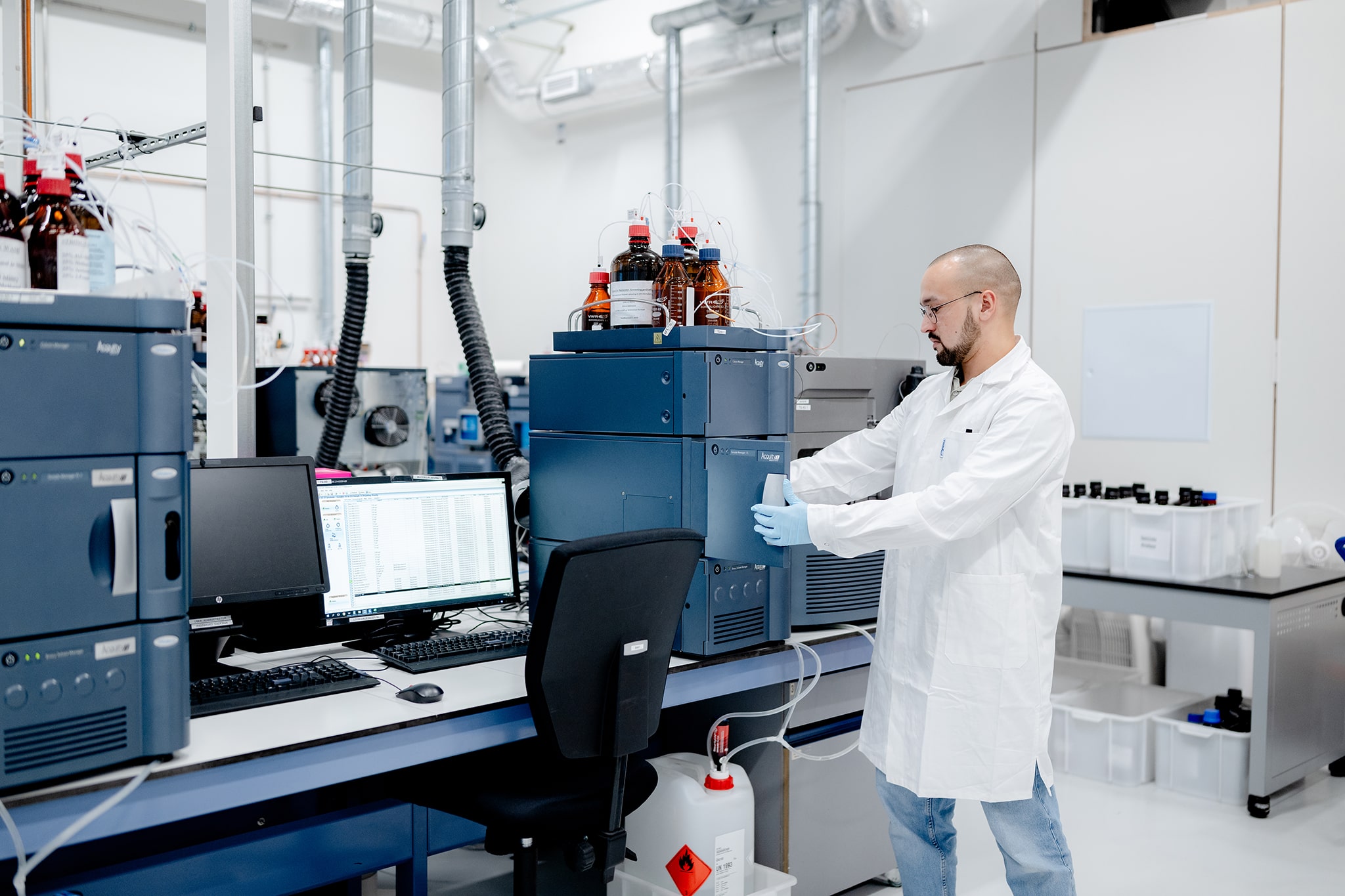
Package your water sample as instructed and send it to Normec Groen Agro Control for PFAS analysis.

Your results arrive by email, with the results and reporting limits for each component in ng/L and the reported sums. The usual analysis time is approximately 12 working days after the laboratory receives your sample.
Our PFAS drinking water test lets you have your tap water, drinking water from a well or bottled water professionally analysed. You receive the sample bottle at home, collect the sample according to the instructions and return it for laboratory analysis arranged through Normec Groen Agro Control.
Results are reported directly in ng/L: nanograms per litre. The analysis covers an extended panel of PFAS components, including PFOA, PFNA, PFHxS and PFOS.
According to the supplied laboratory specifications, the reporting limit is 0.5 ng/L for most components and 0.2 ng/L for PFOS. Five components have a higher reporting limit of 5 ng/L. Your report states the results and corresponding reporting limits for each component.
The usual analysis time is approximately 12 working days after the laboratory receives your sample.
A result with a less-than sign, such as <0.5 ng/L, means the concentration is below the reporting limit. It does not automatically mean the substance is completely absent.
Open the multilingual PDF specification sheet (English: page 1)
This specification sheet was compiled by TestenopPFAS using information supplied by Normec Groen Agro Control on 14 October 2026. It contains the 53 components in the supplied table. It is not a laboratory analysis report and contains no measured sample results.
Have two separate water samples analysed: one before filtration and one after filtration, collected under comparable conditions. You can then compare the measured PFAS concentrations. Two analyses are required.
How many components are analysed?
The new laboratory overview lists 53 components. See the full table in the PDF specification sheet; your final laboratory report states the components analysed in your sample.
Can you report below 1 ng/L?
The specified reporting limit is 0.5 ng/L for most components and 0.2 ng/L for PFOS. For five components it is 5 ng/L. There is no single limit for the entire panel.
Are PFOA equivalents calculated?
No. The laboratory does not calculate PFOA equivalents (PEQ). The unweighted sum of four PFAS is not a PEQ result and cannot be directly compared with a guidance value expressed in PFOA equivalents.
Is TFA included?
No. TFA, heavy metals, pesticides and bacteria are outside the scope of this test. A separate TFA water test is needed for TFA.
How do I collect the water sample?
Use only the supplied PFAS-free bottle and follow the instructions carefully. Fill it completely to the top and avoid contamination by touching the inside of the bottle or cap.
When will I receive the results?
Usually approximately 12 working days after the laboratory receives the sample, by email.
Ask your question via WhatsApp
Have you received your laboratory report? Visit our drinking water portal to add your report and view an explanation of the measured PFAS values.
Making PFAS testing understandable for consumers
TestenopPFAS.nl makes specialist PFAS testing accessible to consumers. Order online, receive the materials at home, collect your sample and we guide the process through to the results.
We have arranged more than 4,500 tests and analyses for customers seeking insight into PFAS in water, blood, eggs, food and soil.
A laboratory report should be reliable and understandable. We also help customers understand the reported values.